

Chances are you’re tired of the same recycled men’s weight loss advice that doesn’t work for men. You’ve probably tried cutting calories, hitting the gym harder, or following the latest low fat diet trend—only to see minimal weight loss progress or watch the extra pounds come right back.
Here’s the truth nobody talks about: weight loss for men is fundamentally different than weight loss for women, and most mainstream advice ignores the biological factors that make or break your weight loss efforts.
This comprehensive guide cuts through the noise and gives you a realistic, science-backed strategy to lose weight and keep it off long-term. More importantly, we’ll cover what to do when diet and exercise alone aren’t enough—a reality many men face but few are willing to discuss openly.
Why Men Struggle to Lose Weight (It’s Not Just About Willpower)
Before we dive into how to lose weight for men, let’s address the why. If you’ve struggled to lose fat despite your best efforts, you’re not alone—and it’s likely not your fault.
Men face unique biological challenges when trying to maintain weight loss:
Progressive Muscle Loss: Starting around age 30, men naturally lose 3-5% of muscle mass per decade. Since muscle tissue burns more calories at rest than fat tissue, this decline in muscle mass directly slows your metabolism. Less muscle means your body burns fewer calories throughout the day, making it progressively easier to gain weight and harder to lose belly fat as you age.
Hormonal Decline and Body Composition: Testosterone levels drop approximately 1-2% per year after age 30. Low testosterone is directly linked to increased body fat percentage, particularly dangerous visceral fat—the type of belly fat that wraps around your internal organs and significantly increases health risks including heart disease, diabetes, and metabolic syndrome. Research shows that men with low testosterone have a higher risk of obesity and struggle more with fat loss even when following the same diet and exercise program as men with optimal levels. Achieving and maintaining a healthy weight is crucial for reducing these risks and improving overall health.
Chronic Stress and Cortisol: High-stress jobs, financial pressure, and family responsibilities keep cortisol levels elevated. Chronic cortisol elevation promotes fat storage, especially around your midsection, while simultaneously breaking down muscle tissue. This creates the worst possible scenario for body composition—losing muscle while gaining belly fat.
Sleep Deprivation Epidemic: Poor sleep disrupts the delicate balance of hunger hormones (ghrelin makes you feel hungry, leptin signals fullness). When you don’t get enough sleep, ghrelin increases while leptin decreases, making you constantly feel hungry and more likely to store excess weight. A meta analysis of sleep studies found that men getting less than 6 hours of sleep per night have significantly higher rates of obesity and diabetes.
The point? Weight loss isn’t simply about eating less and moving more. Your body’s internal environment—hormones, sleep quality, stress levels, and muscle mass—plays a massive role in determining whether your weight loss efforts succeed or fail.
Setting Goals and Motivation: Defining Your “Why”
Before diving into any weight loss journey, it’s absolutely essential to nail down your motivation—your deeply personal “why.” Successful weight loss isn’t just about hopping on the latest plan; it’s about discovering that core reason that’ll keep you moving when the going gets tough. Maybe you’re looking to slash your heart disease risk, boost your overall wellness game, or simply feel amazing in your own skin. Whatever fires you up, defining it gives your entire journey that purposeful direction you need.
Start by jotting down your specific, measurable goals. Are you aiming to drop a certain number on the scale, trim that waist measurement, or supercharge your energy levels? Make those goals realistic but meaningful—something that’ll truly move the needle. Plant these reminders everywhere you’ll catch them daily: bathroom mirror, phone background, fridge door. This daily visual nudge works like magic to keep you dialed in, especially when motivation takes a little dip.
Don’t sleep on the incredible power of accountability. Loop in a trusted friend or family member who can cheer you on and help keep you honest about your progress. Even better—find yourself a partner to tackle this weight loss adventure together. When you know someone’s genuinely rooting for your success, pushing through those challenging moments becomes so much easier, and celebrating wins feels twice as sweet.
By locking in your “why” and setting crystal-clear, achievable goals, you’re building the rock-solid foundation for weight loss success. This groundwork doesn’t just help you shed pounds—it supports lasting health transformations and significantly cuts your risk of chronic conditions like heart disease. Remember, your motivation is the fuel that’ll keep your engine running strong, so make it deeply personal, keep it front and center, and make every bit of it count.
Understanding and Losing Belly Fat
Belly fat isn’t just about how your favorite outfits fit—it’s a genuine health concern that deserves your attention. This particular type of fat, known as visceral fat, settles deep within your abdominal area and wraps around your internal organs like an unwelcome houseguest. Unlike the fat you can pinch just under your skin, visceral fat connects directly to a higher risk of heart disease, diabetes, and other chronic health challenges that can seriously impact your quality of life.
Losing belly fat requires a smarter approach than just cranking out endless crunches—and we’re here to help you understand what actually works. While abdominal exercises can absolutely strengthen and tone your core muscles, they won’t specifically target that stubborn visceral fat. The most effective strategies for reducing belly fat combine a thoughtful, balanced diet with regular physical activity and a focus on overall fat loss that works with your body, not against it.
Understanding Energy Balance: The Foundation of All Weight Loss
Let’s start with the non-negotiable truth: weight loss requires achieving negative energy balance. This means burning more calories than you consume over time. But here’s where most weight loss strategies fail—they focus solely on restricting calories without considering what happens to your body composition, metabolism, and hormones in the process.

The Calorie Equation (But Smarter)
Your body weight is ultimately governed by the relationship between calories consumed through food intake and calories burned through:
- Basal metabolic rate (calories burned at rest—heavily influenced by muscle mass)
- Physical activity and exercise
- Thermic effect of food (energy required to digest food, highest for protein)
- Non-exercise activity thermogenesis (fidgeting, walking, daily movement)
Why extreme calorie restriction backfires:
When you slash calories too aggressively (like dropping from 2,500 to 1,200 calories overnight), your body interprets this as starvation. Your metabolism slows down, you lose precious muscle mass along with fat, energy levels plummet, and hunger hormones go haywire. Eventually, you can’t maintain the restriction, and when you return to normal eating, you often gain back more weight than you lost—a phenomenon researchers call metabolic adaptation.
The smarter approach for sustainable fat loss:
Calculate your maintenance calories (the amount needed to maintain your current body weight) using a TDEE calculator. Then create a moderate deficit of 300-500 calories per day. This allows you to lose 1-2 pounds per week consistently—a pace that preserves muscle mass, keeps your metabolism healthy, and is actually sustainable long-term.
Staying Hydrated and Managing Hunger
Hydration gets overlooked way too often in weight loss efforts, but it’s an absurdly powerful tool for supporting your health and helping you reach your goals. Drinking enough water throughout the day can help suppress appetite, boost your metabolism, and keep your energy levels steady. Sometimes, what feels like hunger is actually your body’s way of signaling thirst—so reaching for a glass of water before a snack can help you avoid unnecessary calories. Simple, but effective.
Managing hunger is another key to a successful weight loss program—and we mean really managing it, not fighting it. Skipping meals or letting yourself get too hungry can lead to overeating or making poor food choices. Instead, aim for regular, balanced meals that include plenty of vegetables, lean proteins, and whole grains. Healthy snacks, like a piece of fruit or a handful of raw veggies, can help keep hunger in check between meals. It’s about working with your body, not against it.
Be mindful of what you drink—because this is where a lot of people sabotage themselves without even realizing it. Sugary drinks and processed foods are loaded with empty calories that can derail your weight loss efforts. Opt for water, unsweetened tea, or black coffee instead. Not only will you cut out unnecessary sugar, but you’ll also support better digestion and overall health. Clear choices lead to clear results.
Physical activity, including both aerobic exercise and strength training, can also help manage hunger by regulating appetite hormones and building muscle mass. The more muscle you have, the more calories you burn—even at rest. It’s like having a more efficient engine that works for you around the clock.
By staying hydrated, eating balanced meals, and making smart food and drink choices, you’ll find it easier to manage hunger, avoid overeating, and support your weight loss journey. These small changes add up, helping you build a healthier relationship with food and achieve lasting results. It’s not about perfection—it’s about progress that actually sticks.
The Core Principles: Proven Men’s Weight Loss Strategies
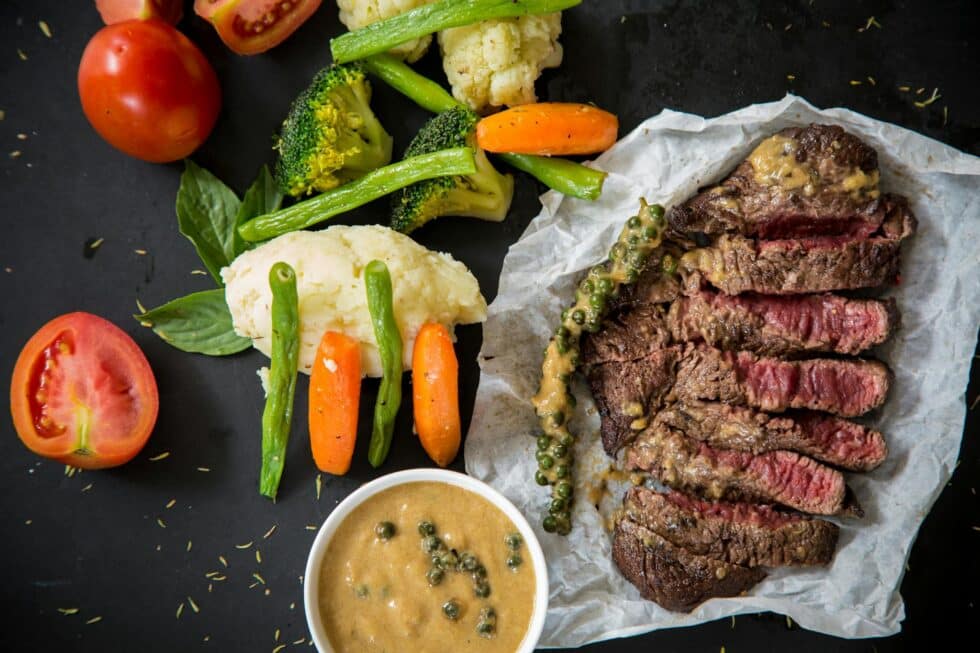
1. Prioritize Protein (Your Most Powerful Tool for Fat Loss)
If there’s one dietary change that will transform your weight loss progress, it’s dramatically increasing your protein intake. Protein is absolutely critical for men trying to lose fat while preserving or even building muscle.
Why protein is non-negotiable for weight loss:
- Preserves Muscle Mass: When you’re in a caloric deficit, your body needs amino acids to maintain muscle tissue. Without adequate protein, you’ll lose muscle along with fat, which tanks your metabolism and leaves you looking “skinny fat” rather than lean and strong.
- Highest Thermic Effect: Your body burns approximately 20-30% of protein calories just digesting and processing it, compared to only 5-10% for carbohydrates and 0-3% for dietary fat. This means protein naturally increases calories burned.
- Superior Satiety: Protein keeps you feeling full longer than carbohydrates or fat, reducing overall caloric intake naturally. Research shows high-protein diets lead to spontaneous reduction in food intake without consciously restricting.
- Regulates Hunger Hormones: Adequate protein helps regulate ghrelin (hunger hormone) and increases peptide YY (fullness hormone), making it easier to stick to your healthy diet.
How much protein do you need?
For men focused on fat loss while preserving muscle: 0.8-1.2 grams of protein per pound of body weight daily.
- 180 lb man: 144-216g protein daily
- 200 lb man: 160-240g protein daily
- 220 lb man: 176-264g protein daily
Best protein sources for fat loss:
- Lean meats: chicken breast, turkey, lean beef (93/7 or leaner)
- Fish: salmon, tuna, cod, tilapia (bonus: omega-3s support heart health)
- Eggs and egg whites (whole eggs provide essential nutrients)
- Greek yogurt (choose low-sugar varieties)
- Cottage cheese (great before bed—slow-digesting casein protein)
- Protein powder (convenient for hitting targets, not a replacement for whole foods)
- Legumes and beans (also provide fiber)

2. Strength Training: The Most Underrated Fat Loss Strategy
If you’re only doing aerobic exercise for weight loss, you’re making a critical mistake. While aerobic activity burns calories during the workout, strength training—especially when you lift weights—creates a metabolic advantage that keeps burning calories for 24-48 hours afterward. Men should lift weights as part of their strength training routine to maximize fat loss and muscle retention.
Why lifting weights is essential for male weight loss:
Preserves and Builds Muscle Mass: Remember, muscle tissue is metabolically active—it burns calories 24/7, even while you sleep. Every pound of muscle you maintain or build increases your daily caloric expenditure. Strength training is crucial for maintaining muscle mass while losing fat, as muscle increases calorie expenditure at rest. This is why men who strength train can eat more calories while staying lean compared to men who only do cardio.
Creates the “Afterburn Effect”: Intense strength training elevates your metabolism for up to 48 hours post-workout through a process called EPOC (excess post-exercise oxygen consumption). Your body continues burning extra calories as it repairs muscle tissue, replenishes energy stores, and returns to homeostasis.
Improves Insulin Sensitivity: Resistance training makes your muscles more efficient at absorbing glucose from your bloodstream. Better insulin sensitivity means your body is more likely to use carbohydrates for energy and muscle repair rather than storing them as body fat.
Prevents “Skinny Fat” Syndrome: Losing weight through diet and cardio alone often leaves you with a soft, undefined physique—low body weight but high body fat percentage. Strength training ensures you’re losing fat while maintaining the muscle that creates a lean, athletic appearance.
Even moderate strength training, when combined with aerobic exercise, helps build lean muscle mass and increases the number of calories you burn throughout the entire day.
Your strength training framework:
- Frequency: Train each major muscle group 2-3 times per week minimum
- Exercise Selection: Prioritize compound movements that work multiple muscle groups simultaneously:
- Squats (legs, core, lower back)
- Deadlifts (full body, massive calorie burn)
- Bench press (chest, shoulders, triceps)
- Rows (back, biceps, core)
- Overhead press (shoulders, triceps, core)
- Pull-ups/chin-ups (back, biceps)
- Progressive Overload: Gradually increase the weight, reps, or sets over time. Your muscles adapt to stress, so you must continually challenge them to maintain and build muscle mass.
- Rest Time: Take 2-3 minutes between heavy compound sets to maintain strength and lift quality. Shorter rest (60-90 seconds) works for isolation exercises.
- Equipment Needed: You can build muscle with just barbells, dumbbells, and your body weight. No fancy machines required.
Combining both cardiovascular exercise and strength training enhances weight loss effectiveness.

3. Strategic Cardio (Don’t Overdo It)
Aerobic exercise has its place in a comprehensive weight loss program, but many men make the mistake of doing excessive cardio at the expense of strength training and recovery.
The role of aerobic activity in fat loss:
- Creates additional caloric deficit without extreme dietary restriction
- Improves cardiovascular health and reduces heart disease risk
- Enhances recovery between strength sessions (low-intensity options)
- Can help manage stress and improve mental health
The problem with excessive cardio:
Too much aerobic exercise, especially in a caloric deficit, can:
- Interfere with strength training recovery
- Break down muscle tissue (especially long, steady-state sessions)
- Increase cortisol levels
- Lead to overuse injuries
- Create excessive hunger (making it harder to maintain your caloric intake goals)
The optimal cardio approach for men:
- 2-3 sessions per week of 20-45 minutes
- Mix intensities: Combine moderate steady-state with high-intensity intervals
- Choose activities you enjoy: You’ll be more physically active long-term if you don’t dread every session
- Timing: Separate from heavy strength training by at least 6 hours when possible
Daily movement matters more than formal exercise:
Walking 8,000-10,000 steps daily burns significant calories without taxing your recovery. Research shows that increasing daily movement (taking stairs, parking farther away, walking during lunch) contributes more to long term weight maintenance than occasional intense workouts.

4. Eat Real, Whole Foods (The Quality of Calories Matters)
Not all calories are created equal when it comes to fat loss, satiety, and overall health. The quality of your food intake dramatically affects your hunger levels, energy, and ability to maintain weight loss.
Focus on minimally processed, nutrient-dense foods:
Lean proteins (discussed above—prioritize at every meal)
Vegetables (aim for 4-5 servings daily):
- High volume, low calorie (helps you feel full)
- Packed with fiber, vitamins, and minerals
- Reduces disease risk (heart disease, diabetes, certain cancers)
- Improves gut health and digestion
- Try to “eat the rainbow”—different colors provide different nutrients
Fruits (2-3 servings daily):
- Natural sweetness satisfies cravings for sugar
- Provides fiber and essential micronutrients
- Berries are especially high in antioxidants
- Whole fruit is vastly superior to fruit juice
Whole grains and complex carbohydrates:
- Brown rice, quinoa, oats, sweet potatoes
- Provides sustained energy for workouts
- Contains fiber that slows digestion and improves satiety
- Time your carb intake around training for best results
Healthy fats (moderate amounts):
- Avocados, nuts, olive oil, fatty fish
- Essential for hormone production (including testosterone)
- Supports heart health and reduces inflammation
- More satiating than low fat alternatives
- Don’t fear dietary fat—it doesn’t directly make you fat; excess calories do
What to minimize or eliminate:
Processed foods with long ingredient lists you can’t pronounce:
- Often engineered to be hyper-palatable (you can’t stop eating them)
- High in calories but low in nutrients
- Doesn’t satisfy hunger, leading to overconsumption
- Contains excessive sodium, added sugars, and unhealthy fats
Sugary drinks (liquid calories):
- Soda, sweetened coffee drinks, fruit juice, energy drinks
- Provides zero satiety—your body doesn’t register liquid calories
- Spikes blood sugar and insulin
- Single biggest contributor to excess weight in many men
- Switch to water, black coffee, unsweetened tea
Excessive alcohol:
- 7 calories per gram (nearly as much as fat’s 9 calories)
- Impairs recovery and muscle building
- Lowers inhibitions around food choices
- Disrupts sleep quality
- If you drink, stick to moderate amounts (1-2 drinks max, not daily)

5. Fix Your Sleep (Non-Negotiable for Fat Loss)
You can have the perfect training program and healthy diet, but if you’re consistently getting inadequate sleep, you’re sabotaging your weight loss efforts on a hormonal level.
How poor sleep destroys your fat loss progress:
Hormonal Chaos: Sleep deprivation significantly reduces testosterone production (up to 15% decrease with just one week of 5-hour nights) while increasing cortisol. This combination promotes muscle loss and fat gain, especially visceral fat.
Hunger Hormone Disruption: Insufficient sleep increases ghrelin (the hormone that makes you feel hungry) by up to 28% while decreasing leptin (the hormone that signals fullness) by 18%. You’re literally fighting against your biology when sleep-deprived.
Insulin Resistance: Poor sleep impairs your body’s ability to process carbohydrates effectively, leading to higher blood sugar levels and increased fat storage. Over time, this elevates your risk for diabetes and obesity.
Reduced Workout Performance: Sleep is when your body repairs and builds muscle tissue. Without adequate rest, you can’t train as intensely, you recover slower, and you’re more prone to injury.
Impaired Decision Making: When you’re exhausted, your prefrontal cortex (responsible for self-control and decision-making) doesn’t function optimally. This makes it much harder to make healthy choices around food and resist cravings.
How to prioritize quality sleep:
- Target 7-9 hours consistently (not just on weekends)
- Maintain a consistent schedule: Go to bed and wake up at the same time daily, even on weekends
- Create a dark, cool environment: 65-68°F is ideal; use blackout curtains
- Limit screen time 60-90 minutes before bed: Blue light suppresses melatonin production
- Avoid large meals close to bedtime: Finish eating 2-3 hours before sleep
- Limit caffeine after 2 PM: It can stay in your system for 6-8 hours
- Consider magnesium supplementation: 300-400mg before bed can improve sleep quality
- If you snore heavily or wake gasping for air: Get evaluated for sleep apnea—it’s common in overweight men and destroys sleep quality

6. Manage Stress and Cortisol (The Hidden Fat Loss Killer)
Chronic stress is one of the most underestimated factors in weight gain and difficulty losing fat. When you’re constantly stressed, your body operates in survival mode, prioritizing energy storage over fat burning.
How chronic stress sabotages weight loss:
Elevated Cortisol: Persistent stress keeps cortisol levels high, which:
- Increases appetite and cravings (especially for sugar and processed foods)
- Promotes visceral fat storage around your organs
- Breaks down muscle tissue
- Impairs sleep quality
- Reduces testosterone production
Emotional Eating and Binge Eating: Many men turn to food for comfort during stressful periods, consuming excess calories without physical hunger. This pattern can quickly derail weight loss progress and lead to weight gain.
Reduced Physical Activity: When overwhelmed with stress, exercise often falls by the wayside, reducing calories burned and removing a key stress management tool.
Evidence-based stress management strategies:
- Regular exercise: One of the most effective stress relievers; even a 20-minute walk reduces cortisol
- Meditation or deep breathing: Just 10 minutes daily can significantly lower stress hormones
- Time in nature: Research shows that spending time outdoors reduces cortisol and improves mood
- Social connection: Spending quality time with family members and friends is crucial for mental health
- Hobbies and recreation: Activities you enjoy (not work-related) are essential for balance
- Professional support: Don’t hesitate to work with a therapist if stress is overwhelming
- Set boundaries: Learn to say no; you can’t do everything
Advanced Strategies for Men’s Weight Loss
Track Your Food Intake (At Least Initially)
Most men significantly underestimate their caloric intake. Research shows people typically underreport food consumption by 30-50%. You might think you’re eating 2,000 calories when you’re actually consuming 2,800.
How to track effectively:
- Use an app like MyFitnessPal or Cronometer for 2-4 weeks
- Weigh and measure portions (your “eyeball” estimates are probably way off)
- Include everything: cooking oils, condiments, “just a taste” samples
- Don’t judge yourself—data is just information
- Look for patterns: what meals keep you full? When do you feel hungry?
After a few weeks, you’ll develop a better intuitive sense of portion size and caloric intake. Many men can then transition to mindful eating without constant tracking.
Monitor Weight Loss Progress Properly
The bathroom scale only tells part of the story. Your body weight fluctuates daily based on water retention, sodium intake, carbohydrate stores, and digestive contents. Don’t obsess over daily changes.
Better ways to track progress:
- Weekly average weight: Weigh yourself daily, then calculate the weekly average. This smooths out fluctuations.
- Body measurements: Measure waist, chest, arms, and thighs every 2 weeks. You might lose inches while the scale stays stable.
- Progress photos: Take front, side, and back photos every 2-4 weeks in the same lighting and clothing. Visual changes often outpace scale changes.
- How clothes fit: Are your pants looser? Can you button a shirt that was tight?
- Performance metrics: Are you getting stronger? Can you do more reps?
- Energy and mood: Do you feel better overall?
Adjust Your Approach Based on Results
After 4-6 weeks, assess your weight loss progress honestly:
If you’re losing 1-2 pounds per week: Perfect. Stay the course.
If you’ve lost zero weight despite consistency:
- Recalculate your maintenance calories (may have decreased as you got lighter)
- Increase physical activity (add 2,000 steps daily or one cardio session)
- Reduce caloric intake by another 200 calories
- Consider underlying medical issues (see below)
If you’re losing more than 2-3 pounds per week:
- Your deficit is too aggressive
- Increase calories slightly (add 200-300)
- Make sure you’re preserving muscle mass (adequate protein, strength training)
If you’ve plateaued after initial success:
- Take a 7-10 day diet break (eat at maintenance calories)
- This can reset hormones and metabolism
- Then return to your deficit
When Diet and Exercise Aren’t Enough: The Medical Reality Nobody Discusses
Here’s what most fitness articles won’t tell you, but it’s critical you understand: sometimes following a healthy diet, being physically active, and doing everything “right” still doesn’t lead to meaningful fat loss. This isn’t a personal failure—it’s often biology working against you.
If you’ve been consistent with your weight loss program for 8-12 weeks and seeing minimal or no results, it’s time to investigate potential medical barriers.

Low Testosterone: The Silent Men’s Weight Loss Saboteur
Testosterone decline is one of the most common yet overlooked factors in male weight loss struggles. Approximately 40% of men over 45 have clinically low testosterone, but many younger men also struggle with suboptimal levels due to stress, poor sleep, obesity, and environmental factors.
How low testosterone directly sabotages fat loss:
Altered Body Composition: Low T promotes fat storage (especially dangerous visceral fat around your organs) while making it extremely difficult to maintain or build muscle mass. This creates a vicious cycle—less muscle means slower metabolism, which leads to more fat gain, which further suppresses testosterone.
Metabolic Slowdown: Testosterone plays a crucial role in regulating metabolism. Men with low T burn fewer calories at rest and have more difficulty creating the energy deficit needed for weight loss.
Reduced Exercise Capacity: Low testosterone saps your energy, motivation, and physical performance. Your workouts feel harder, you recover slower, and you struggle to build strength. This makes it difficult to maintain the physical activity levels needed for fat loss.
Increased Hunger and Cravings: Testosterone influences appetite regulation and insulin sensitivity. Low levels can increase cravings for sugar and processed foods while making it harder to feel satisfied after meals.
Common symptoms of low testosterone:
- Difficulty losing belly fat despite diet and exercise
- Inability to build or maintain muscle
- Persistent fatigue and low energy (especially in the afternoons)
- Reduced libido and sexual function
- Brain fog and difficulty concentrating
- Mood changes: irritability, depression, anxiety
- Poor sleep quality
- Decreased motivation for exercise
Important note: Your doctor might say your testosterone is “normal” if it falls anywhere in the reference range (typically 300-1000 ng/dL). But “normal” doesn’t mean optimal. Many men feel terrible at 350 ng/dL but thrive at 700-900 ng/dL. Optimal testosterone levels can dramatically improve your ability to lose fat, build muscle, and maintain a healthier life.
Thyroid Dysfunction
Your thyroid gland regulates metabolism. An underactive thyroid (hypothyroidism) slows everything down, making weight loss nearly impossible even with aggressive calorie restriction.
Symptoms of hypothyroidism:
- Unexplained weight gain or inability to lose weight
- Constant fatigue and low energy
- Cold sensitivity (you’re always freezing)
- Dry skin and hair loss
- Constipation
- Depression and brain fog
Insulin Resistance and Pre-Diabetes
When your cells don’t respond properly to insulin, your body stores more glucose as fat and you experience intense hunger and energy crashes. This makes maintaining a caloric deficit extremely difficult.
Signs of insulin resistance:
- Difficulty losing fat, especially around the midsection
- Intense hunger shortly after eating
- Crashes after carbohydrate-heavy meals
- Dark patches of skin (acanthosis nigricans)
- Family history of diabetes
Sleep Apnea
This condition causes repeated breathing interruptions during sleep, preventing quality rest even if you’re in bed for 8-9 hours. It’s strongly associated with obesity and makes weight loss very difficult due to the hormonal disruptions it causes.
Chronic Inflammation
Systemic inflammation can interfere with weight loss through multiple mechanisms, including insulin resistance and hormonal disruption. Blood tests can identify inflammatory markers.
How Huddle Men’s Health Can Help You Break Through Weight Loss Plateaus
At Huddle Men’s Health, we understand that men’s weight loss often requires more than just “eat less, move more” advice. We take a comprehensive, medical approach to identify and address the biological factors that might be sabotaging your weight loss efforts.
Our Comprehensive Approach:
Advanced Hormone Testing: We test your testosterone, thyroid hormones, cortisol, insulin, and other key markers to identify underlying issues. Unlike traditional primary care doctors who might say “you’re in the normal range,” we optimize for peak performance and quality of life. Our in-house labs provide results in just 15 minutes, so you get answers quickly.
Medically Supervised Weight Loss Programs: Our evidence-based 5-week programs combine personalized nutrition guidance, structured workout plans, and medical support to address the root causes of your weight loss struggles. We’ve helped hundreds of men lose 20-30 pounds while simultaneously building muscle mass and improving overall health markers.
Testosterone Replacement Therapy (TRT): If low testosterone is sabotaging your progress, we offer safe, monitored TRT programs to restore optimal levels. Our patients report life-changing benefits including:
- Dramatically improved energy levels and motivation
- Easier fat loss, especially stubborn belly fat
- Increased muscle mass and strength
- Enhanced workout performance and recovery
- Better mood and mental clarity
- Improved sexual function and libido
- Overall better health and quality of life
Personalized Medical Support: We don’t believe in one-size-fits-all approaches. Your treatment plan is customized based on your lab results, goals, lifestyle, and individual needs. We address the whole picture—hormones, nutrition, exercise, sleep, and stress management.
Why Men Choose Huddle Men’s Health:
- Fast Results: In-house labs with results in 15 minutes (no waiting weeks for answers)
- No Long-Term Contracts: Month-to-month programs so you’re never locked in
- Convenient Locations: Serving men in Bellevue, Seattle, and Temecula
- Personalized Plans: Based on your specific biology, not generic protocols
- Comprehensive Care: We address all factors affecting weight loss and health
- Proven Results: Real men losing real weight while building muscle and feeling better
Free Initial Consultation & Testosterone Screening ($200 Value):
We offer complimentary consultations and testosterone testing because we believe every man deserves to understand what’s happening with his body. This isn’t a high-pressure sales pitch—it’s an opportunity to get real answers about why you might be struggling with weight loss despite your best efforts.
During your consultation, we’ll:
- Discuss your weight loss goals and challenges
- Review your symptoms and health history
- Perform comprehensive hormone testing
- Analyze your results and explain what they mean
- Create a personalized plan (if you choose to move forward)
- Answer all your questions in a no-judgment environment

Ready to stop guessing and start getting results?
Schedule your free consultation and testosterone screening
Your Complete 90-Day Men’s Weight Loss Transformation Plan
Here’s a detailed, actionable plan to implement everything we’ve discussed:

Phase 1: Foundation (Weeks 1-4)
Nutrition:
- Calculate maintenance calories; subtract 400-500 calories
- Set protein target: 0.8-1g per pound body weight
- Track all food intake using an app
- Eliminate sugary drinks completely
- Reduce processed foods by 80%
- Eat 4-5 servings of vegetables daily
- Drink at least 64oz water daily
Training:
- Strength train 3x per week (full body workouts)
- 30-45 minutes per session
- Focus on compound movements
- Start with weights you can control with good form
- Add 2 cardio sessions (20-30 minutes moderate intensity)
- Walk 8,000+ steps daily
Recovery:
- Sleep 7-9 hours nightly
- Take 1-2 rest days from structured exercise
- Practice stress management daily (even 5 minutes helps)
Tracking:
- Weigh yourself daily (calculate weekly average)
- Take starting measurements and photos
- Log workouts and progressive overload
- Note energy levels and how you feel

Phase 2: Momentum (Weeks 5-8)
Nutrition:
- Continue tracking if helpful (many can transition to intuitive eating)
- Maintain protein target strictly
- Experiment with meal timing that works for your schedule
- Include healthier alternatives to foods you’re craving
- Allow 1-2 “flexibility meals” weekly to maintain sanity
Training:
- Increase strength training to 4x per week
- Implement progressive overload (add weight or reps)
- Maintain 2 cardio sessions
- Increase daily steps to 10,000
- Focus on improving workout performance
Recovery:
- Prioritize sleep consistency (same bedtime/wake time)
- Consider adding recovery modalities (foam rolling, stretching)
- Monitor stress levels and adjust as needed
Assessment:
- Review your weight loss progress (should be down 8-16 pounds)
- Compare measurements and photos
- If progress has stalled, troubleshoot:
- Recalculate caloric needs
- Increase physical activity
- Consider medical evaluation

Phase 3: Optimization (Weeks 9-12)
Nutrition:
- Fine-tune based on what’s working
- May need to adjust calories as body weight decreases
- Continue prioritizing whole foods
- Develop sustainable eating patterns for long term weight maintenance
- Learn to navigate social situations while maintaining healthy choices
Training:
- Continue progressive strength training
- Training should feel challenging but sustainable
- Adjust volume/intensity based on recovery
- Maintain cardiovascular activity
- Focus on building muscle as you lose fat
Lifestyle:
- Sleep, stress management, and recovery are non-negotiable
- Build small changes into permanent habits
- Identify potential obstacles to maintaining weight loss
- Create a support system (family members, training partners, professionals)
Medical Check-In:
- If you’ve done everything right but plateaued or seen minimal results
- Consider comprehensive bloodwork and hormone testing
- Rule out medical barriers to weight loss
- Get professional guidance from registered dietitian or men’s health clinic
Beyond 90 Days: Long-Term Success
Sustainable maintenance strategies:
- Continue strength training 3-4x per week (never stop)
- Stay physically active with daily movement
- Eat primarily whole, nutrient-dense foods
- Allow flexibility without guilt
- Monitor weight weekly (catching 5-pound regain is easier than 20-pound regain)
- Prioritize enough sleep always
- Manage stress proactively
- Get annual bloodwork to monitor health markers
- Make lifestyle changes that you can maintain forever

Common Weight Loss Mistakes Men Make (And How to Avoid Them)
Mistake #1: Cutting Calories Too Aggressively
The Problem: Dropping from 2,800 to 1,200 calories crashes your metabolism, causes muscle loss, and creates unsustainable hunger.
The Solution: Moderate deficit of 400-500 calories; lose 1-2 pounds weekly maximum.
Mistake #2: Doing Only Cardio
The Problem: Aerobic exercise alone burns muscle along with fat, slowing long-term metabolism.
The Solution: Prioritize strength training; add moderate amounts of cardio for heart health.
Mistake #3: Ignoring Protein Intake
The Problem: Inadequate protein means losing muscle mass during weight loss, leading to poor body composition.
The Solution: Hit 0.8-1g per pound body weight daily; track it like you track total calories.
Mistake #4: Not Tracking Anything
The Problem: “I’m eating healthy” isn’t a plan; most people underestimate caloric intake by 30-50%.
The Solution: Track food intake for at least 2-4 weeks to establish awareness and identify problem areas.
Mistake #5: Expecting Linear Progress
The Problem: Weight loss isn’t linear; you’ll have plateau weeks despite perfect adherence.
The Solution: Trust the process; evaluate progress over 4-week periods, not day-to-day.
Mistake #6: Neglecting Sleep and Stress
The Problem: Poor sleep and chronic stress sabotage fat loss through hormonal disruption.
The Solution: Treat sleep and stress management as seriously as diet and exercise.
Mistake #7: Following Extreme Diets
The Problem: Keto, carnivore, juice cleanses, etc., might work short-term but fail for long term weight maintenance.
The Solution: Choose sustainable eating patterns you can follow for years, not weeks.
Mistake #8: Not Seeking Medical Help When Needed
The Problem: Ignoring potential hormonal or metabolic issues that are sabotaging your efforts.
The Solution: If you’ve been consistent for 12+ weeks with no results, get comprehensive testing.
Frequently Asked Questions About Weight Loss for Men
Q1: How fast should I realistically expect to lose weight?
A: For sustainable fat loss that preserves muscle mass and doesn’t crash your metabolism, aim for 1-2 pounds per week maximum. This requires a caloric deficit of 500-1,000 calories daily. While it’s tempting to want faster results (especially in January when motivation is high), aggressive weight loss leads to:
- Significant muscle mass loss along with fat
- Metabolic adaptation (your body burns fewer calories at rest)
- Nutrient deficiencies
- Hormonal disruption
- Unsustainable hunger and fatigue
- Higher likelihood of weight regain
The math: Losing 1.5 pounds weekly means you could lose 18-20 pounds in 12 weeks while maintaining strength, energy, and muscle. That’s a dramatic transformation that’s actually sustainable. Research shows men who lose weight gradually are far more successful at long term weight maintenance compared to those who crash diet.
Exception: If you have significant excess weight to lose (50+ pounds), you might initially lose 2-3 pounds weekly, which is acceptable. As you get leaner, that rate will naturally slow down.
Q2: Do I really need to track calories and macros, or can I just “eat clean”?
A: It depends on your starting point and self-awareness. Here’s the truth:
Initially, tracking is extremely valuable because most men dramatically underestimate their caloric intake. Research consistently shows people underreport food consumption by 30-50%. You might genuinely believe you’re eating 2,200 calories when you’re actually consuming 3,000+ calories. That’s the difference between losing weight and maintaining or gaining.
Benefits of tracking for 2-4 weeks:
- Develops awareness of portion size (most people’s “serving” is 2-3 actual servings)
- Reveals hidden calories (cooking oils, condiments, “healthy” snacks)
- Ensures adequate protein intake (most men eat far less than they should)
- Identifies patterns (what keeps you full vs. what leaves you hungry)
- Provides data to troubleshoot if progress stalls
After the initial tracking period, many men develop good intuitive sense and can maintain weight loss without constant logging. However, if your weight loss progress stalls, tracking for another week or two can quickly reveal the issue.
“Eating clean” without tracking works if:
- You’re naturally aware of portion sizes
- You have good appetite regulation
- You’re choosing primarily whole, unprocessed foods
- You’re losing weight consistently (which proves your food intake creates a deficit)
Bottom line: Track for at least 2-4 weeks initially. The data is invaluable for understanding your body and optimizing your approach.
Q3: What’s the best diet for men—keto, low-fat, intermittent fasting, or something else?
A: Here’s what the scientific evidence actually shows: the best diet is the one you can stick to long-term while maintaining a caloric deficit and adequate protein.
Extensive research, including multiple meta analyses, demonstrates that various dietary approaches (low-carb, low-fat, intermittent fasting, Mediterranean, etc.) produce similar weight loss results when protein and calories are equated. The difference comes down to adherence and personal preference.
What matters most:
- Caloric deficit (you must burn more than you consume)
- Adequate protein (preserves muscle, increases satiety)
- Sustainability (can you follow this for years, not just weeks?)
- Nutrient density (getting vitamins, minerals, fiber from whole foods)
Consider your lifestyle and preferences:
Intermittent Fasting (16:8, 14:10, etc.): Works well if you’re naturally not hungry in the morning and prefer larger meals later in the day. Makes calorie control easier by limiting eating windows. Doesn’t work as well if you train early in the morning or get irritable when hungry.
Lower Carb/Higher Fat: Can be effective if you feel more satiated by dietary fat and don’t mind reducing carbohydrates. Good for men with insulin resistance or pre-diabetes. Be cautious going extremely low-carb if you do intense strength training (carbs fuel performance).
Moderate Balanced Approach: Higher protein (30-35% of calories), moderate carbs (35-40%), moderate fat (25-30%). This provides flexibility, supports training performance, and works for most men long-term.
Mediterranean Style: Emphasizes whole foods, healthy fats, fish, vegetables, moderate amounts of whole grains. Excellent for overall health and heart disease prevention. Well-researched for longevity.
What to avoid:
- Extremely restrictive diets that eliminate entire food groups unnecessarily
- Any approach that promises to “hack” your metabolism or biology
- Diets that can’t be maintained at social events or restaurants
- Programs requiring expensive supplements or meal replacements
My recommendation: Start with a moderate, balanced approach focused on whole foods, adequate protein, lots of vegetables, and moderate amounts of healthy fats and carbs. Adjust based on your energy levels, training performance, and weight loss progress. The best diet is the one that creates a sustainable caloric deficit while preserving your muscle mass and quality of life.
Q4: I’ve been working out and eating better for 4-6 weeks but haven’t lost any weight. What’s wrong?
A: This is incredibly frustrating, but there are several common explanations:
1. You’re actually consuming more calories than you think (most common issue)
- Track your food intake meticulously for one full week
- Weigh and measure everything (don’t eyeball portions)
- Include cooking oils, condiments, beverages, and “small bites”
- Be honest about portions at restaurants (they’re typically 2-3x home portions)
2. You’re building muscle while losing fat (especially if new to strength training)
- Your body composition is improving even though scale weight is stable
- Check measurements (waist, chest, arms) and progress photos
- How do your clothes fit? Are they looser?
- Are you getting stronger in the gym? This is actually a great scenario—you’re recomping (building muscle, losing fat simultaneously). The scale doesn’t reflect this positive change.
3. Water retention is masking fat loss
- New exercise programs cause temporary water retention (muscle inflammation)
- High sodium intake causes water retention
- Carb intake affects water storage (each gram of stored carbohydrate holds 3-4g water)
- Stress and lack of sleep increase cortisol, which promotes water retention
- Give it 2-3 more weeks; water weight will stabilize and reveal your actual fat loss
4. Your maintenance calories are lower than calculated
- Online calculators provide estimates, not perfect accuracy
- If you’ve been very sedentary, your actual caloric needs might be lower
- Reduce food intake by another 200-300 calories and reassess in 2 weeks
5. Medical factors are interfering (if none of the above apply)
- Low testosterone significantly impairs fat loss
- Thyroid dysfunction slows metabolism
- Insulin resistance makes weight loss extremely difficult
- Certain medications promote weight gain
- Consider comprehensive medical evaluation if you’ve ruled out other factors
Action plan if scale hasn’t moved in 4-6 weeks:
- Track food intake precisely for 7 days (be brutally honest)
- Take measurements and photos (check for body composition changes)
- Reduce calories by 200-300 if tracking confirms you’re overeating
- Add 2,000 steps daily or one additional cardio session
- Ensure you’re getting enough sleep (7-9 hours)
- If still no progress after another 4 weeks, get medical evaluation
Q5: Can I lose weight without giving up alcohol? What about social situations and restaurants?
A: Yes, you can absolutely lose weight while maintaining a social life, but you need to be strategic and honest about the trade-offs.
The reality about alcohol:
- Alcohol contains 7 calories per gram (nearly as much as fat’s 9 calories per gram)
- These are “empty calories” with zero nutritional value
- Alcohol impairs recovery from workouts and reduces sleep quality
- Lowers inhibitions around food choices (drunk eating is real)
- Prioritizes alcohol metabolism over fat burning (your body pauses fat loss to process alcohol)
If you choose to drink while trying to lose weight:
Frequency: Limit to 1-2 occasions per week maximum, not daily. Daily drinking makes fat loss extremely difficult.
Quantity: Stick to 1-2 drinks maximum per occasion. Every additional drink adds 100-150 calories and further impairs recovery.
Choose wisely:
- Lower-calorie options: light beer (100 cal), spirits with soda water (100 cal), dry wine (120 cal)
- Avoid: craft beers (200+ cal), sugary cocktails (300+ cal), margaritas (500+ cal)
- Alternate alcoholic drinks with water
Meal planning on drinking days:
- Save calories by eating slightly less earlier in the day
- Prioritize protein at meals (reduces likelihood of drunk eating)
- Plan your food choices in advance
Managing social situations and restaurants:
Before you go:
- Don’t arrive starving (eat a protein-rich snack beforehand if needed)
- Look at the menu online and decide what you’ll order
- Set a drink limit before you’re in the moment
At restaurants:
- Order protein-focused entrees (grilled chicken, steak, fish)
- Request vegetables or salad as sides instead of fries or rice
- Ask for dressing/sauces on the side
- Skip the bread basket or limit to one piece
- Share desserts if you want them (or skip entirely)
- Don’t feel pressured to explain your healthy choices
Social gatherings:
- Eat a protein-rich meal before you go
- Bring a healthy dish to share
- Position yourself away from the food table
- Hold a drink (even just water) so people don’t constantly offer you food
- Practice saying “I’m good, thanks” without explanation
The 80/20 approach: If you’re making healthy choices 80% of the time, occasional social indulgences won’t derail your progress. One restaurant meal or social event won’t ruin a week of good decisions. The problem occurs when “occasional” becomes multiple times per week.
Bottom line: You don’t have to become a hermit to lose fat, but you do need to make conscious choices and be honest about frequency. Men who successfully maintain weight loss learn to navigate social situations without completely abandoning their goals, while also not being so rigid that they can’t enjoy life. Find your personal balance.
The Bottom Line: Your Action Plan Starts Today
Weight loss for men doesn’t have to be complicated, but it does require consistency, patience, and an understanding of your unique biology. The strategies in this comprehensive guide are based on scientific research and real-world results from thousands of men who’ve successfully transformed their bodies and health.
Core principles to remember:
- Create a sustainable caloric deficit (300-500 calories, not starvation)
- Prioritize protein (0.8-1g per pound body weight daily)
- Strength train 3-4x per week (preserve and build muscle mass)
- Add strategic cardio (2-3x weekly, don’t overdo it)
- Get 7-9 hours of sleep consistently (hormones depend on it)
- Manage stress proactively (cortisol sabotages fat loss)
- Track your progress (scale, measurements, photos, performance)
- Be patient (1-2 pounds weekly is sustainable and healthy)
- Focus on whole foods (minimize processed foods and sugary drinks)
- Make lifestyle changes (not temporary diets)
When to seek medical support:
If you’ve been consistent with these evidence-based strategies for 8-12 weeks and seeing minimal or no weight loss progress, it’s time to investigate potential medical barriers. Low testosterone, thyroid dysfunction, insulin resistance, and other hormonal imbalances can make fat loss extremely difficult or impossible despite perfect adherence to diet and exercise.
Don’t waste another year feeling frustrated with lack of results. Professional medical evaluation can identify and address the root causes, allowing you to finally achieve the body composition and health you deserve.
Take Action Today
Your journey to sustainable fat loss and better health starts with the first step. Here’s what to do right now:
Calculate your starting point:
- Current body weight and measurements
- Maintenance calorie estimate
- Protein target calculation
- Take baseline photos
Plan your first week:
- Set up food tracking app
- Plan your strength training schedule
- Identify grocery list for high-protein meals
- Establish sleep schedule
Remove barriers:
- Clear processed foods from your house
- Stock up on healthy alternatives
- Prep meals in advance if helpful
- Tell supportive family members about your goals
Consider medical evaluation if:
- You’re over 35 and experiencing low energy or other symptoms
- You’ve struggled with weight loss despite previous efforts
- You suspect hormonal factors might be involved
- You want to optimize your results from day one
Schedule Your Free Consultation with Huddle Men’s Health
Don’t let another year go by wondering why your weight loss efforts aren’t working. Get the answers you deserve.
What you’ll receive:
- Comprehensive hormone screening (testosterone, thyroid, and more)
- Expert analysis of your results
- Personalized recommendations based on your biology
- No-pressure discussion of treatment options
- Clear path forward to achieving your goals
Why Huddle Men’s Health:
- In-house labs: Results in 15 minutes (not weeks)
- Proven programs: Hundreds of men have transformed their bodies and lives
- Expert medical team: Specialists in men’s hormone optimization
- Flexible options: Month-to-month programs, no long-term contracts required
- Convenient locations: Bellevue, Seattle, and Temecula
- Sports-focused environment: We understand the male perspective
Ready to stop guessing and start getting results?
Schedule your free consultation and testosterone screening
Questions? Call or text: Bellevue: 425-233-8623 | Temecula: 951-540-0020
Locations: Bellevue, WA | Seattle, WA | Temecula, CA
Disclaimer: This article is for educational purposes and should not replace personalized medical advice. Consult with healthcare professionals before starting any new diet, exercise, or supplement program. Individual results may vary. Huddle Men’s Health provides medical services under proper clinical supervision.