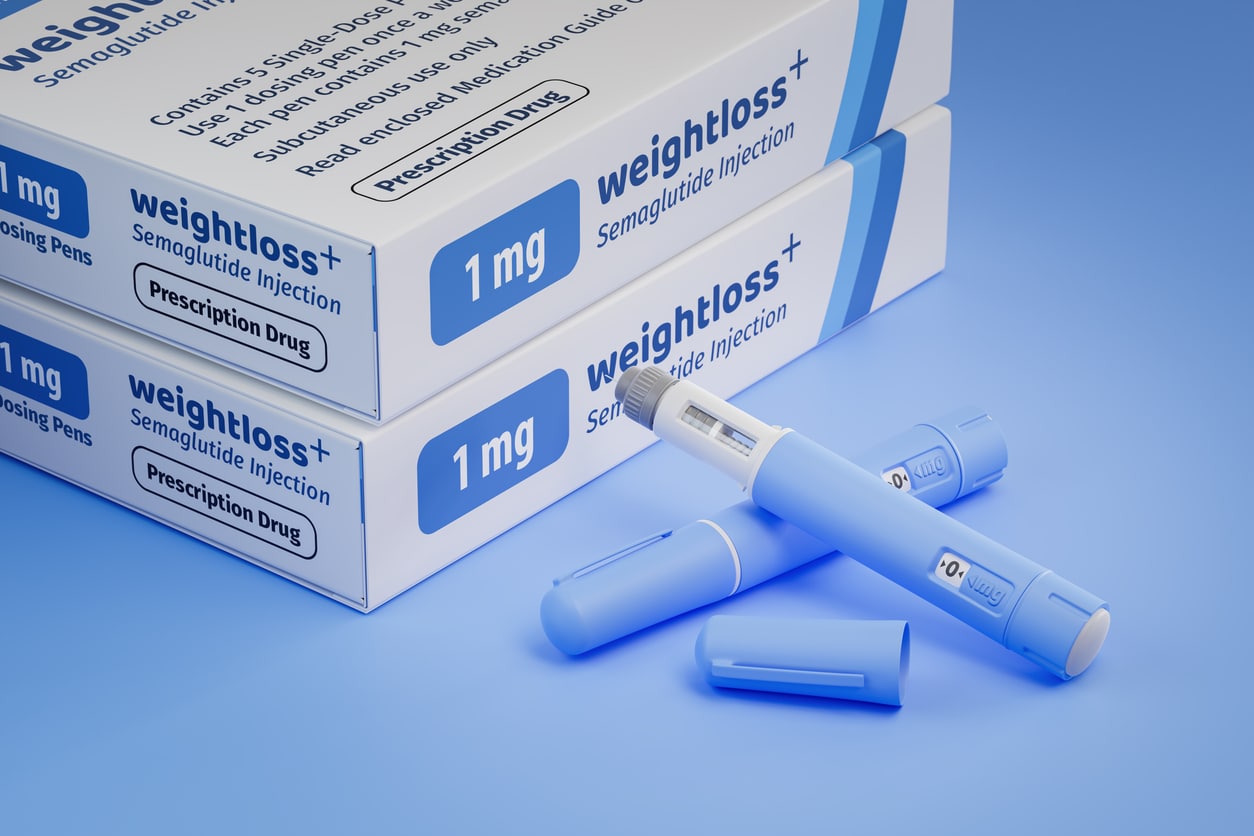
Semaglutide: for Weight Loss and Type 2 Diabetes
Semaglutide is a proven prescription therapy that helps control appetite, balance blood sugar, and support long-term weight loss. By working with your body’s natural signals, it helps to lower high blood sugar and to reduce extra weight, which can lead to a stronger, healthier life.
Ready to see if semaglutide could work for you?
Start with a testosterone test, full evaluation, and custom medical plan tailored just for your goals.
 9-2
9-2At Huddle Men’s Health, we offer semaglutide as an effective option for individuals managing type 2 diabetes or needing support with weight loss. Semaglutide is a medication that acts like a natural hormone in the body called GLP-1, which helps control blood sugar levels and reduces hunger. By mimicking this hormone, semaglutide lowers blood sugar levels and reduces appetite, making it easier to reach weight and health goals.
We provide three forms of semaglutide, each tailored to specific needs:
A once-weekly injection primarily for adults with type 2 diabetes to support better blood sugar control.
Also a weekly injection but used specifically for weight loss in adults who have health issues related to their weight.
A daily tablet that also helps manage blood sugar levels in type 2 diabetes, ideal for those who prefer an oral option.
Semaglutide works by targeting multiple aspects of your metabolism:



- For Type 2 Diabetes: Semaglutide helps control blood sugar, reducing the risk of complications and supporting long-term health.
- For Weight Management: When used as part of a healthy lifestyle, semaglutide can aid in weight loss by curbing appetite and encouraging feelings of fullness.
Semaglutide may not be suitable for everyone. Individuals with a family history of specific thyroid cancers or severe digestive issues should avoid this treatment. Always consult with a healthcare professional to see if semaglutide is the right option for your health needs.
While semaglutide is well-tolerated by many, some may experience mild side effects such as nausea or stomach discomfort, which usually lessen over time. Rarely, low blood sugar may occur when combined with other diabetes medications.
Huddle Men’s Health offers medically-supervised, personalized hormone optimization and weight management plans to help you regain energy, lose stubborn fat, and feel stronger every day.
 28472
28472and Administration
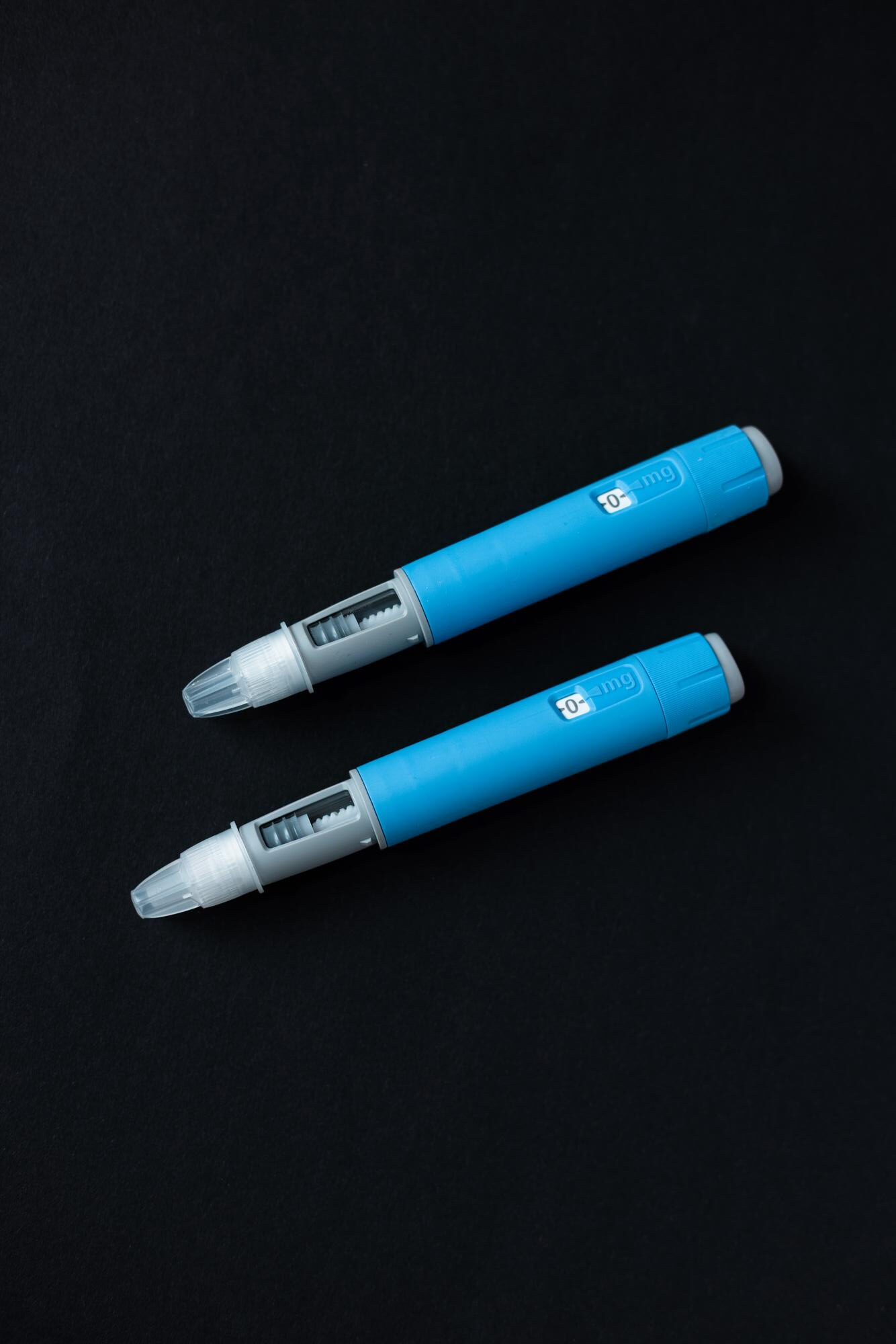
Administering semaglutide involves following precise dosage protocols specific to each formulation, aiming for effectiveness while minimizing potential adverse effects. The injectable forms, Ozempic and Wegovy, start with an initial low dose to help the body acclimate to the medication. For Ozempic, treatment begins at 0.25 mg per week, followed by an increase to 0.5 mg after four weeks. Depending on therapeutic needs and patient tolerance, the dosage can escalate to 1 mg, with a maximum of 2 mg weekly for enhanced glycemic control.
Wegovy’s dosing strategy mirrors this gradual approach, starting at 0.25 mg weekly and increasing every four weeks to reach a maintenance dose of 2.4 mg weekly. This phased titration helps reduce the incidence of gastrointestinal side effects, such as nausea and vomiting, allowing patients to adjust comfortably to the medication.
For Ozempic and Wegovy, administration is through subcutaneous injection, necessitating careful selection and rotation of injection sites to avoid skin irritation. Common sites include the abdomen, thigh, or upper arm, with site rotation being essential to maintain skin health. These injections offer the convenience of administration irrespective of meals, accommodating varied patient lifestyles and meal schedules.
Rybelsus, the oral formulation, follows a distinct dosing regimen. It starts with a daily dose of 3 mg, moving to 7 mg, and can be increased to 14 mg as required. This structured escalation ensures patient tolerance while striving to meet desired blood glucose targets. It’s crucial to take Rybelsus on an empty stomach, at least 30 minutes before eating or taking other oral medications, to optimize its absorption and therapeutic effect.
Our medical experts play a pivotal role in guiding patients through dosage adjustments and administration techniques, ensuring semaglutide therapy aligns with individual health goals and effectively manages any side effects that may arise. Regular monitoring and communication with our team is key to achieving the best outcomes with this treatment – as well as TRT, HGH, and other weight loss treatments.
 output
Semaglutide stands out in the field of weight management due to its innovative approach, offering a significant edge over conventional methods. By addressing both metabolic and neurological pathways, this medication provides a comprehensive strategy for those seeking to lose weight and improve overall health.
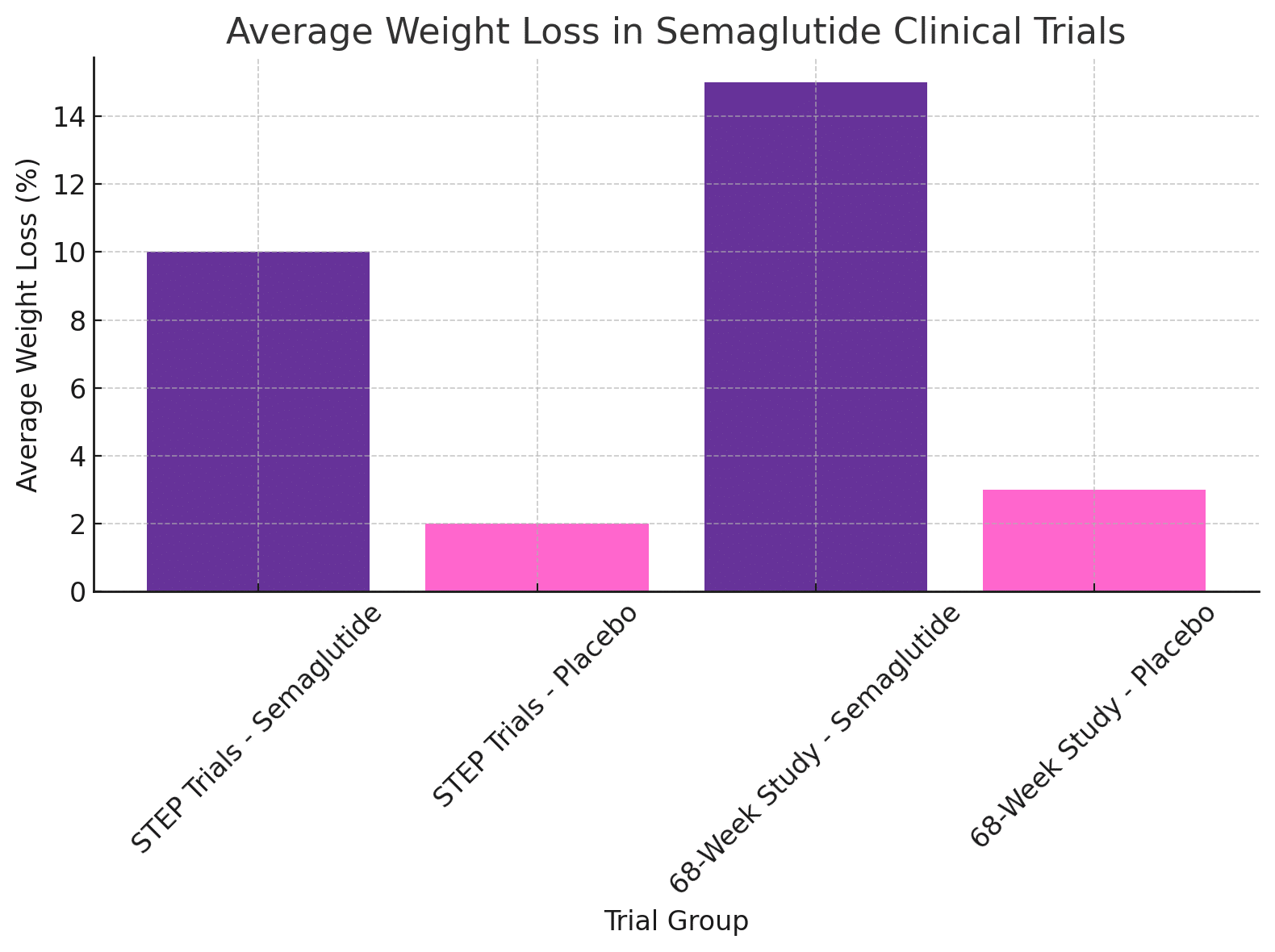
The Semaglutide Treatment Effect in People with Obesity (STEP) trials have extensively evaluated semaglutide’s efficacy in weight reduction. In the STEP 1 trial, participants receiving semaglutide experienced an average weight loss of 14.9% over 68 weeks, compared to 2.4% in the placebo group. Additionally, 86.4% of those on semaglutide achieved a weight loss of 5% or more, while only 31.5% of placebo recipients reached this milestone.
JAMA NetworkIn another substantial study spanning 68 weeks, nearly half of the participants on semaglutide reported a weight loss of 15% or more. These findings not only illustrate semaglutide’s role in effective weight management but also position it as a superior option compared to other weight loss interventions.
Although Wegovy is specifically approved for weight management, healthcare providers may also consider using other formulations, such as Ozempic, off-label to achieve similar outcomes. This adaptability allows for personalized treatment plans, balancing both medical benefits and financial aspects to best serve patient needs.
When initiating semaglutide therapy, being informed about potential adverse reactions and necessary precautions is essential for ensuring safety and efficacy. While many individuals tolerate semaglutide well, some may encounter side effects that vary in intensity. Commonly reported issues include gastrointestinal disturbances, which may manifest as queasiness, digestive discomfort, or irregular bowel habits. These reactions often occur during the early phase of treatment or following dosage increments, typically diminishing as the body acclimates to the medication.
Occasionally, semaglutide may cause severe reactions that necessitate prompt medical intervention. Patients should remain vigilant for signs of pancreatitis, such as intense abdominal pain that radiates to the back, along with severe nausea. Additionally, semaglutide can potentially lead to gallbladder complications, presenting as discomfort in the upper abdomen, fever, or skin yellowing. In rare instances, it may also pose risks of kidney impairment and low blood sugar levels, especially in those with pre-existing conditions or in combination with other glucose-lowering medications.
Certain groups are advised against using semaglutide due to specific health risks. Individuals with a personal or familial history of medullary thyroid carcinoma or Multiple Endocrine Neoplasia syndrome type 2 should avoid this medication because of the potential risk of thyroid neoplasms observed in preclinical studies. Similarly, patients with conditions like delayed gastric emptying or severe digestive disorders should proceed with caution, as semaglutide’s impact on digestive transit could intensify these conditions.
While semaglutide offers numerous benefits, it is not suitable for everyone. Certain conditions and patient histories make its use contraindicated. For instance, individuals with a personal or family history of medullary thyroid carcinoma (MTC) or multiple endocrine neoplasia syndrome type 2 (MEN 2) should avoid semaglutide. This is due to the potential risk of thyroid neoplasms observed in preclinical studies.
Additionally, semaglutide is contraindicated in patients with a history of suicidal attempts or current suicidal ideation, as it may exacerbate these conditions. It is also not recommended for individuals with type 1 diabetes or those experiencing diabetic ketoacidosis, as its mechanism of action is not suitable for these conditions.
Patients with severe gastrointestinal diseases, including gastroparesis, should also avoid semaglutide. The medication’s impact on gastric emptying could worsen these conditions. Furthermore, those with a history of pancreatitis should exercise caution, as semaglutide may increase the risk of recurrent episodes.
Close observation and potential dosage modifications play a crucial role in optimizing semaglutide therapy. For patients managing diabetes, regular monitoring of blood glucose levels is vital, particularly when starting treatment or adjusting doses. Should gastrointestinal discomfort prove troublesome, healthcare providers might suggest maintaining the current dose longer before increasing it, allowing more time for adjustment. If the patient finds the maintenance dose intolerable, reducing the dose or even discontinuing treatment might be necessary to prioritize safety and well-being. These approaches support customized treatment strategies that accommodate individual tolerances and therapeutic aims.

Semaglutide has transformed millions of lives and offers a promising path for many seeking effective solutions for weight management and type 2 diabetes. While semaglutide’s benefits are significant, it’s crucial to approach treatment under the guidance of experienced healthcare professionals who can tailor therapy to your unique needs and ensure your safety throughout the journey.
If you’re ready to explore how semaglutide can help you achieve your health goals, book a free consultation with us today, and let’s work together to unlock your path to improved well-being.
for Semaglutide


Semaglutide is used as a treatment for type 2 diabetes and weight management. It lowers blood sugar levels by stimulating insulin release and reducing glucagon secretion, which helps maintain stable glucose levels. In addition to managing blood sugar, semaglutide also supports chronic weight management by reducing appetite and promoting satiety, making it a popular choice among weight loss medications.
Semaglutide aids in weight loss by slowing down digestion, decreasing appetite, and increasing the feeling of fullness. These effects, along with lifestyle adjustments such as diet and exercise, make semaglutide a highly effective option for those seeking long-term weight management.
If you miss a scheduled dose of semaglutide, take it as soon as you remember, unless it’s close to your next scheduled dose. If it’s within two days of the next dose, skip the missed dose and proceed with your usual schedule. Avoid doubling doses to make up for a missed injection.
Yes, some users may experience severe stomach pain, especially during the initial stages of treatment or after dose increases. This side effect typically subsides as your body adjusts. However, if the pain persists or becomes intolerable, contact your healthcare provider immediately.
In animal studies, semaglutide has been linked to an increased risk of medullary thyroid carcinoma. While this risk has not been conclusively observed in humans, individuals with a personal or family history of medullary thyroid carcinoma or Multiple Endocrine Neoplasia syndrome type 2 should avoid using semaglutide.
Yes, clinical studies have shown that semaglutide can help reduce the risk of major adverse cardiovascular events, including heart attack, stroke, and cardiovascular death, especially in adults with type 2 diabetes and high cardiovascular risk.
Yes, semaglutide is highly effective in managing high blood sugar for individuals with type 2 diabetes. By promoting insulin secretion and reducing glucagon levels, it helps regulate glucose, especially after meals, lowering the risk of hyperglycemia (high blood sugar).
While semaglutide alone typically does not cause low blood sugar, combining it with other diabetes medications, such as insulin or sulfonylureas, can increase this risk. Symptoms of low blood sugar include dizziness, sweating, confusion, and shakiness. Monitor your blood sugar regularly and consult your healthcare provider for dosing adjustments if needed.
Common side effects include nausea, vomiting, and mild stomach discomfort, which often improve over time. Severe side effects, though rare, can include acute kidney injury, severe stomach pain, and potential thyroid issues. Seek immediate medical attention if you experience symptoms of acute kidney injury, such as reduced urine output or swelling in the legs.
Semaglutide for weight management (often prescribed as Wegovy) is typically administered as a weekly injection. Follow your provider’s instructions on dosing and injection techniques, and choose an injection site in the abdomen, thigh, or upper arm, rotating sites weekly to prevent irritation.
Semaglutide is generally not known to cause high blood pressure. However, individuals with pre-existing high blood pressure should continue monitoring their blood pressure while on semaglutide, as weight loss and other health changes could impact blood pressure levels.
Individuals with a history of medullary thyroid carcinoma or multiple endocrine neoplasia type 2, and those who are pregnant or breastfeeding, should avoid semaglutide. Additionally, people with a history of acute kidney injury or severe digestive conditions should discuss risks with their healthcare provider before starting treatment.
If you experience symptoms of acute kidney injury, such as decreased urination, swollen legs, or fatigue, contact your healthcare provider immediately. Although rare, semaglutide has been associated with kidney complications, particularly in those with a history of kidney issues.
Yes, semaglutide is effective for managing both blood sugar and weight. Ozempic and Rybelsus are typically prescribed for blood sugar management in type 2 diabetes, while Wegovy is specifically approved for weight loss in individuals with obesity or weight-related conditions.
To maximize the benefits of semaglutide, pair it with a reduced-calorie diet and regular physical activity. Follow your healthcare provider’s instructions on dosage and lifestyle changes to achieve sustainable weight loss.

Bellevue, WA 98004
8am – 5pm
(Lunch: 12 pm – 1 pm)
Temecula, CA 92590
8am – 5pm
(Lunch: 12 pm – 1 pm)
Carlsbad, CA 92008
8am – 5pm
(Lunch: 12 pm – 1 pm)