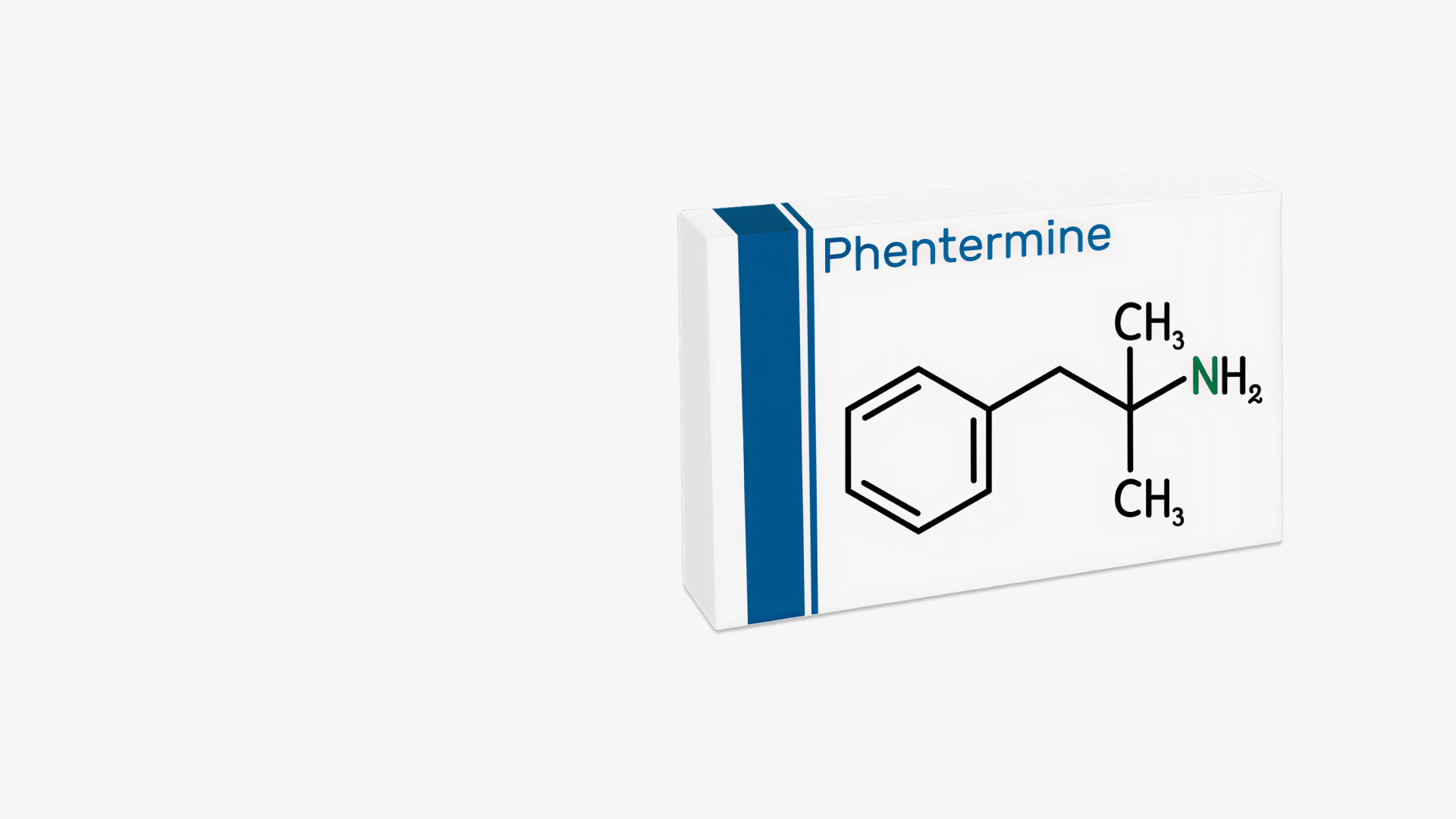
Phentermine
Phentermine therapy is a well-established prescription treatment that helps control appetite, support healthy weight loss, and enhance overall metabolic health. It can help reduce hunger, increase energy levels, and reduce excess weight when combined with diet and exercise.
Ready to see if phentermine could work for your weight loss goals?
Start with a private consultation, comprehensive medical evaluation, and custom treatment plan.
- Generic name: Phentermine hydrochloride
- Drug class: Anorectic/sympathomimetic amine
- Administration: Oral capsule or tablet
- Typical dosing schedule: 1x daily
- Taken before breakfast or 1-2 hours after
- Common brand names: Adipex-P, Lomaira, Suprenza
When your body slows down on making testosterone, it’s like running a car on an empty tank – everything feels harder than it should.
But here’s the good news: testosterone cypionate shots are helping men get their energy back. These shots work like a steady power supply for your body. Instead of taking pills every day, you get a shot every few weeks that slowly releases testosterone into your system..

- Immediate-release tablets: 37.5 mg
- Extended-release capsules: 15 mg, 30 mg
- Orally disintegrating tablets: 15 mg, 30 mg, 37.5 mg
- Low-dose tablets: 8 mg
- Typical treatment duration: Up to 12 weeks
- Controlled substance schedule: IV
- Required monitoring: Blood pressure, heart rate
- Diet requirements: Low-calorie diet required
- Exercise requirements: Regular physical activity needed


 temp-1
Here’s what many people notice after starting treatment:
- Reduced hunger throughout the day
- Better control over food portions
- Increased energy for exercise
- Fewer cravings and stress eating
- Easier time following their diet
- More consistent weight loss progress
Think of phentermine like having a supportive partner in your weight loss journey – it gives your body the extra help it needs to succeed. It’s one of the most prescribed weight loss medications because it’s effective and well-studied.
Getting started is straightforward. Your healthcare professional will evaluate your health history and current medical status. If you’re a good candidate, you and your doctor can decide if phentermine is right for you. Many insurance plans cover the treatment, and most people find the once-daily dosing easy to maintain.
Getting started is straightforward. Your doctor will check your testosterone levels with a blood test. If your levels are low, you and your doctor can decide if these shots are right for you. Many insurance plans cover the treatment, and most men find the schedule easy to maintain.
Huddle Men’s Health offers medically-supervised, personalized weight-loss plans to boost your health and overall wellness.

“After 3 or 6 months of TRT, participants showed an increase in total body mass and lean body mass, and a decrease in fat mass.”
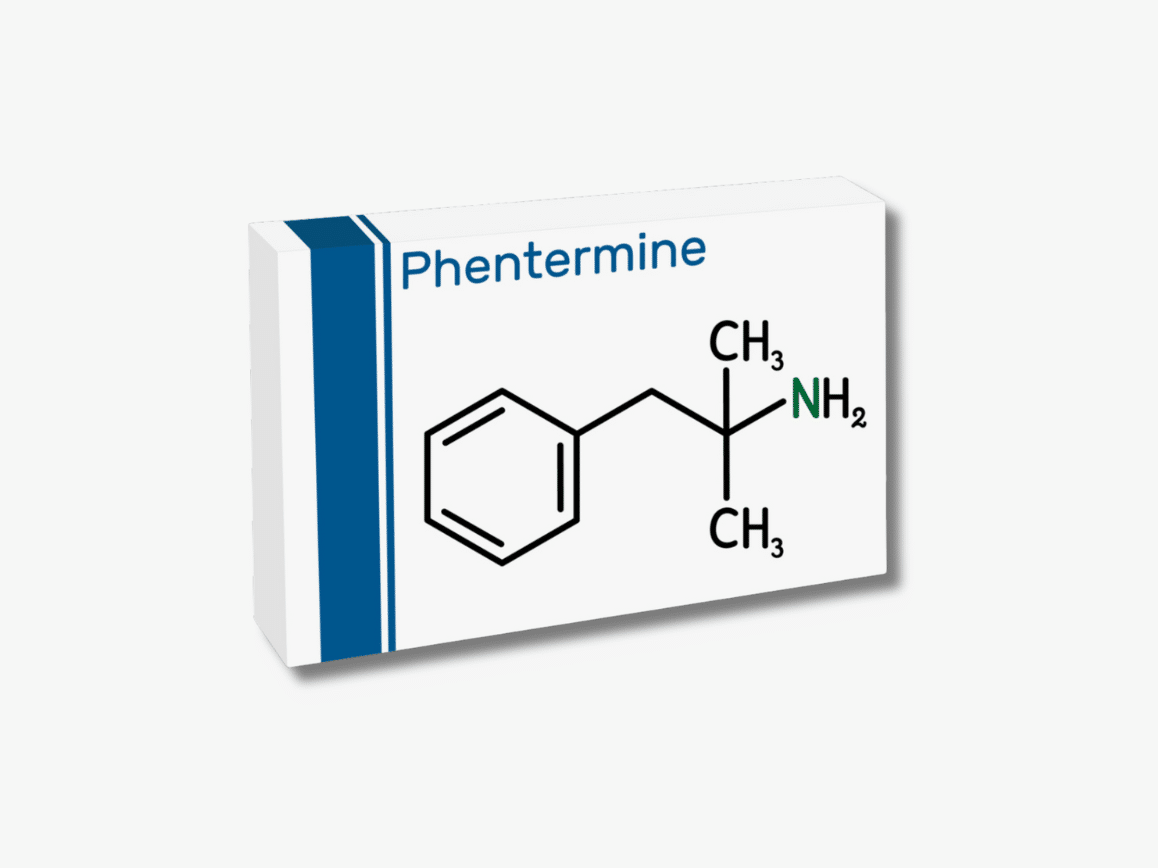
Phentermine is a prescription appetite suppressant medication used for short-term weight loss. It belongs to a class of drugs called sympathomimetic amines, which work by stimulating the central nervous system to decrease appetite.
Chemically similar to amphetamines, phentermine is a controlled substance that is typically prescribed for people with obesity who have not succeeded with diet and exercise alone. While it can be an effective tool for weight loss, it is not a long-term solution and should be used in conjunction with a comprehensive lifestyle modification program.


Phentermine works by increasing levels of certain neurotransmitters—norepinephrine, dopamine, and serotonin—in the brain. These chemicals play a role in regulating hunger and satiety signals.
By boosting these neurotransmitters, phentermine helps to reduce appetite and increase feelings of fullness, making it easier for people to stick to a calorie-controlled diet. This appetite suppression effect is the primary mechanism by which phentermine supports weight loss efforts.
Phentermine is typically prescribed for adults with a body mass index (BMI) of 30 or greater, which falls into the obesity range. In some cases, it may also be appropriate for those with a BMI of 27 or above who have weight-related health conditions such as high blood pressure or type 2 diabetes.
However, phentermine is not suitable for everyone. Pregnant women, individuals with glaucoma, and those taking certain medications like monoamine oxidase inhibitors (MAOIs) should not use phentermine. A healthcare provider will carefully assess a person’s medical history, current health status, and potential drug interactions before determining if phentermine is an appropriate treatment option.
Phentermine acts as a potent central nervous system stimulant, influencing hunger control through the alteration of brain chemistry. Upon ingestion, the drug enhances the release of norepinephrine within the hypothalamus, a key area for regulating hunger cues. This neurotransmitter engages with adrenergic receptors, creating a state where the sensation of hunger diminishes significantly.
- Norepinephrine: Induces a state of heightened alertness and energy by promoting a ‘fight or flight’ response, thereby reducing the focus on food consumption.
- Dopamine: Activates pathways associated with pleasure and reward, potentially curbing the emotional drive to consume food by promoting a sense of contentment.
- Serotonin: Helps balance mood, which can indirectly influence eating habits by mitigating stress-related cravings and emotional eating tendencies.
Through the modulation of these neurotransmitters, phentermine initiates a sense of fullness, thereby decreasing the urge to consume calories. This mechanism is central to its role in assisting weight management efforts.
By curbing appetite, phentermine enables a decrease in caloric intake, which is crucial for effective weight reduction. Users of phentermine frequently report a noticeable reduction in hunger, facilitating adherence to a calorie-restricted dietary plan. This can be especially advantageous for those who struggle with portion control or habitual snacking, as the medication aids in redefining their interaction with food.
By fostering an environment conducive to reduced calorie consumption, phentermine supports weight loss, particularly when integrated with a balanced diet and regular physical activity.

Phentermine’s prescription targets individuals meeting specific health standards to ensure safe and effective use. The medication is predominantly for adults grappling with significant weight concerns. This includes those whose body mass index (BMI) falls within the obesity range, and in certain circumstances, for individuals with a BMI slightly lower if they face health challenges exacerbated by excess weight.
Before phentermine is prescribed, a comprehensive health evaluation is conducted by healthcare providers. This involves:
- Detailed Health Assessment: Providers need to understand any underlying health conditions that could be affected by phentermine.
- Interaction Check: Ensuring there are no adverse interactions with medications currently being taken, especially those that could have serious consequences.
- Health Status Verification: Confirming the absence of conditions that phentermine could negatively impact, like pregnancy.
Some individuals must avoid or be cautious with phentermine. These include:
- Glaucoma Patients: As phentermine can increase pressure within the eye, those with this condition should refrain from using it.
- Individuals with Heart Conditions: The medication’s stimulant effects can pose risks to cardiovascular health.
- Sensitivity to Stimulants: Those with certain mental health histories may experience mood changes, necessitating careful consideration by a healthcare provider.
Through precise screening and professional oversight, phentermine can be an integral part of a weight management plan for those who meet the criteria.
Phentermine is dispensed in tablet or capsule form, designed for morning intake to align with the body’s natural rhythms. Administered once daily, the medication’s timing helps optimize its effects and minimize any potential impact on sleep patterns. Taking it in the morning allows the appetite-suppressing benefits to unfold throughout the day, supporting dietary adherence.
Healthcare providers customize phentermine dosages based on individual needs and health profiles. Typical dosages start from 15 mg to 37.5 mg daily, with adjustments made in response to patient tolerance and effectiveness. The daily dosage should not exceed 37.5 mg to reduce the risk of adverse effects. Patients must adhere to the prescribed regimen without self-adjustment, ensuring both safety and effectiveness.
Important Considerations:
- Timing: Taking phentermine at least 10-14 hours before bedtime can help prevent insomnia, a common side effect of stimulant medications.
- Consumption: Administering phentermine on an empty stomach enhances its absorption, maximizing its appetite-suppressing capabilities.
Phentermine serves as a short-term aid, typically used for about 3 to 6 months. This period allows it to complement broader lifestyle adjustments rather than serve as a standalone solution. Patients should embark on a structured plan that includes dietary adjustments and physical activity to boost weight loss results and maintain long-term health benefits.
Key Components:
- Dietary Adjustments: Incorporating a well-balanced, calorie-controlled diet bolsters the effects of phentermine, fostering improved eating patterns.
- Physical Activity: Engaging in regular exercise not only supports weight loss but also enhances cardiovascular fitness and energy, working synergistically with phentermine’s benefits.
By adhering to the prescribed regimen and integrating fundamental lifestyle changes, patients can effectively utilize phentermine to support their weight management objectives.

and Risks
Phentermine, as a weight management aid, presents several side effects that vary in intensity. Users might encounter mild symptoms like dry mouth and constipation, which are often attributed to its physiological impact on metabolism and energy levels.
- Dry Mouth: A prevalent issue that can be alleviated through consistent hydration and using sugar-free lozenges.
- Constipation: Addressable through dietary changes, particularly increasing fiber intake.
- Sleep Disturbances and Mood Changes: Initial occurrences of disrupted sleep or mood shifts may lessen over time. Structuring the medication regimen to avoid late-day doses can help manage these effects.
- Dizziness: May occur sporadically, often diminishing as the body becomes accustomed to the medication.
Phentermine users need to be aware of potential cardiovascular implications, such as increased heart rate and blood pressure. These risks are especially pertinent for those with underlying heart conditions, necessitating regular health evaluations. Anxiety, as a side effect, requires monitoring, particularly in individuals with a history of mental health issues.
Medical professionals play a critical role in managing these risks, possibly adjusting treatment plans or recommending discontinuation if adverse symptoms persist or escalate.
Given phentermine’s classification, its potential for habit formation requires careful consideration. It is intended for short-term use, aligning with structured treatment plans to mitigate dependency risks.
Rarely, severe issues like pulmonary hypertension and heart valve problems may arise, especially when phentermine is used adjunctively with other medications. These historical associations underscore the necessity of following medical guidance and avoiding unauthorized drug combinations.
By comprehending the potential adverse effects and adhering to professional advice, individuals can effectively utilize phentermine while minimizing associated risks.
Phentermine administration necessitates a comprehensive evaluation to align with individual health needs. Its combination with other weight loss medications requires thorough medical consultation. Such combinations can amplify potential side effects, making professional guidance imperative to prevent adverse outcomes.
Individuals with cardiovascular concerns, such as elevated blood pressure or existing heart conditions, should approach phentermine with heightened awareness. The medication’s stimulating nature may intensify these conditions, requiring careful oversight. Healthcare providers play a pivotal role in modifying treatment plans to accommodate these specific health needs, ensuring both safety and effectiveness.
By integrating these precautions and contraindications, individuals can utilize phentermine effectively within their weight management regimen, ensuring that potential risks are addressed and health goals are achieved safely.
Optimizing the effects of phentermine involves a comprehensive strategy that extends beyond the medication itself.
It demands a commitment to lifestyle adjustments that foster sustainable weight loss.

- Follow Your Doctor’s Instructions: Adherence to your doctor’s guidelines is crucial. Ensure you take phentermine exactly as prescribed, without increasing the dose on your own, to maintain safety and efficacy.
- Nutritious Eating and Physical Activity: Enhance phentermine’s benefits by adopting a diet rich in whole foods and engaging in regular exercise. Focus on creating a balanced routine that includes both cardiovascular exercises and strength training to promote overall health and weight loss.
Staying well-hydrated is important, as phentermine can cause dry mouth. Regular water intake not only mitigates this side effect but also supports metabolic functions. Additionally, prioritize adequate sleep to help regulate appetite-controlling hormones and minimize potential insomnia.
Healthcare Provider
Maintain an open dialogue with your healthcare provider to ensure your treatment remains appropriate and effective. Report any side effects or concerns promptly to allow for necessary adjustments to your regimen, ensuring continued progress toward your weight loss goals.

Prepare for life after phentermine by implementing lasting lifestyle changes. Develop strategies to maintain your weight loss, such as continuing healthy eating habits and regular exercise, recognizing that phentermine is a temporary aid in your weight management journey.
While phentermine can be a valuable tool in your weight loss journey, it’s important to remember that lasting success requires a comprehensive approach that includes lifestyle changes and ongoing support. At our clinic, we’re committed to helping you achieve your weight loss goals safely and effectively. If you’re considering phentermine or other weight management options, book a free consultation with us today to discuss how we can support you on your path to better health.

Bellevue, WA 98004
8am – 5pm
(Lunch: 12 pm – 1 pm)
Temecula, CA 92590
8am – 5pm
(Lunch: 12 pm – 1 pm)
Carlsbad, CA 92008
8am – 5pm
(Lunch: 12 pm – 1 pm)